
In modern homes and commercial spaces, window screens have become an important barrier against mosquitoes, dust, and other pollutants. With the continuous advancement of technology, invisible window screens have gradually gained popularity in the market due to their aesthetic appeal, practicality, and discreet appearance. However, the performance of invisible window screens is not only reflected in their appearance and insect-proof functionality but also particularly in their corrosion resistance. Especially in variable environments, the anti-corrosion capability of window screens determines their service life and maintenance costs.
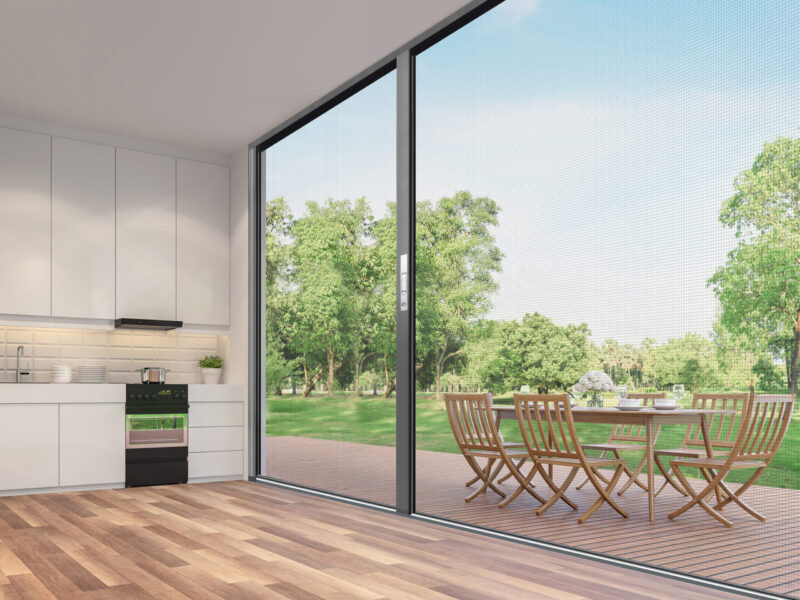
- Screen material is the fundamental guarantee
The core materials of invisible screens mainly include aluminum alloy, stainless steel, plastic, and composite materials. Each material performs differently in terms of corrosion resistance, and selecting the appropriate material is a crucial step in enhancing anti-corrosion performance.
Aluminum alloy is widely used in screens due to its low density, light weight, and ease of processing. High-quality aluminum alloys typically incorporate various alloying elements such as silicon, magnesium, and manganese during manufacturing to enhance their oxidation and corrosion resistance.
These elements can form a dense oxide film on the material’s surface, effectively preventing oxygen and moisture penetration and slowing the corrosion process. Particularly in outdoor environments, anodized aluminum alloy screens exhibit strong corrosion resistance, maintaining stability for extended periods under rainy and humid climatic conditions.
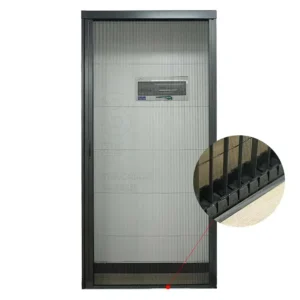
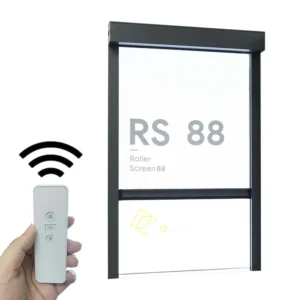
2.Improvement of surface treatment technology for screen windows
The selection of screen materials is just the foundation, while the application of surface treatment technology can further enhance the corrosion resistance of invisible screens. Common surface treatment methods mainly include anodizing, electroplating, spraying, and powder coating.
Anodizing is a common treatment method for aluminum alloy materials. By performing anodic oxidation on the material in an electrolyte, a dense and hard oxide film is formed. This oxide film is not only aesthetically pleasing but also possesses excellent corrosion resistance, effectively preventing environmental moisture and oxygen from eroding the internal structure of the material.
Electroplating and spraying technologies are commonly used for stainless steel and other metal materials, forming a protective layer on the surface to enhance their oxidation and corrosion resistance. Powder coating, on the other hand, offers strong adhesion and weather resistance, creating a uniform protective film that extends the service life of window screens.
In addition to surface treatment of metal materials, plastic components can also be treated with UV-resistant coatings or anti-aging additives to enhance their weather resistance and corrosion resistance in outdoor environments.
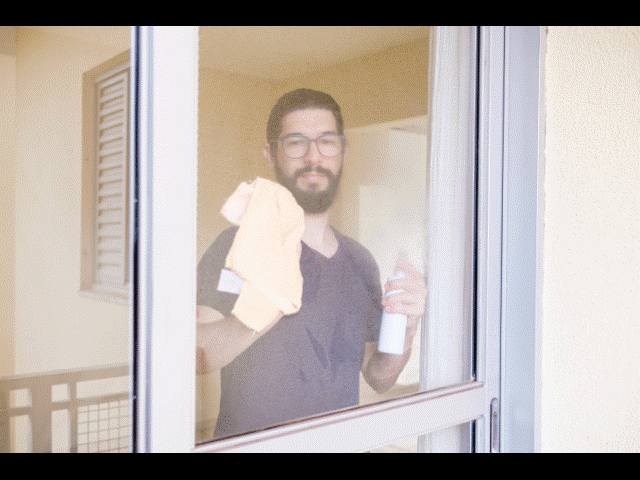
3.Later maintenance and environmental factors
Even when high-quality materials and advanced surface treatment technologies are employed, invisible screen windows still require proper maintenance during actual use to maximize their corrosion resistance. Specific measures include regular cleaning, timely repairs, and appropriate environmental usage.
Regular cleaning is the fundamental step in maintaining screen windows. Using mild detergents and soft cloths to gently wipe the surface can remove dust and dirt, preventing stain buildup that may lead to corrosion. Clearing debris from the edges of the screen windows helps avoid moisture retention.
In rainy or humid environments, it is important to check window screens for signs of damage or corrosion. Any issues found should be promptly repaired to prevent further deterioration. If rust spots or corrosion marks appear on the screen surface, gently sand them with fine sandpaper and then apply protective paint or anti-corrosion coating.
Environmental factors also significantly affect the corrosion resistance of window screens. In coastal areas, the higher salt concentration in the air can accelerate the corrosion of metal materials. In such cases, it is more necessary to choose materials with high corrosion resistance and enhance surface protection. Avoiding prolonged direct exposure of window screens to strong ultraviolet rays can also slow down material aging and corrosion.
In summary, the corrosion resistance of invisible screen windows is directly related to their service life and maintenance costs. By selecting appropriate materials, employing advanced surface treatment technologies, and implementing scientific maintenance measures, the corrosion resistance of screen windows can be effectively enhanced.

 Español
  English
  Français
  Deutsch
  Русский
  Türkçe
  Italiano
  العربية